
The hotel budgeting in 2026 contributes to increase the revenue and regulating costs. Hotels are budgeting operations so they can achieve financial goals to remain profitable. Increased cost pressure and low rate of revenue growth put pressure on operational planning.
Strategic budgeting able to assist hotels in making decisions and maximizing performance. This blog will explain how to plan your revenue and expenses in 2026.
What Is Hotel Budgeting?
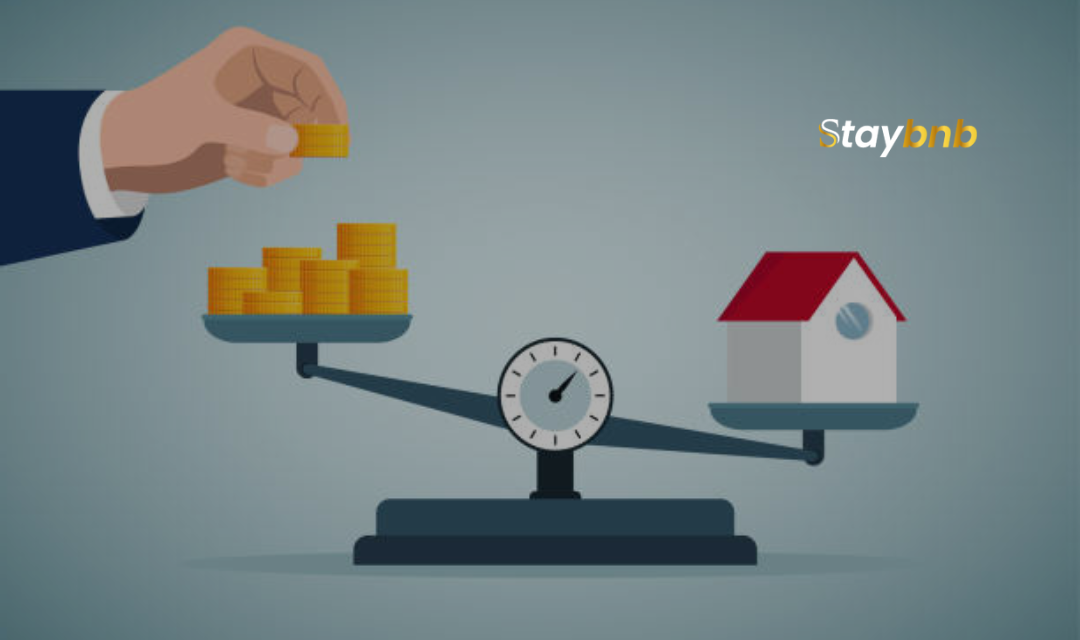
Hotel budgeting balances the estimated revenue with the planned budget expenditure. It develops financial targets and assigns resources to every department. Budgeting, unlike forecasting, allocates certain values and directs expenditure. Budgets help hotels to manage expenses, maximize revenue and enhance profitability.
Key Revenue Streams to Plan for in 2026
Hotels have various sources to generate the revenue that sustain monetary objectives. Proper forecasting helps to assist occupancy and average daily rates (ADR) planning.
Room Revenue Forecasting
Hotels forecast, the room demand based on past data and trends in the market. ADR and occupancy forecasts help to determine pricing and inventory. Proper room forecasting maximizes revenue and minimizes the unsold inventory.
Non-Room Revenue Sources
The hotel makes money from food, drinks, spa, events and parking. Ancillary services help to generate additional revenue from room reservations. Monitoring non-room income helps to maximize operations and profitability.
Direct vs OTA Revenue Mix
Direct bookings help to save money, which is consumed for commission fees with OTAs. It also helps to maximize the revenue of your business. Hotels manage their presence with OTA and the incentive to book directly. Overall financial performance and control get better with direct revenue.
Expense Planning and Cost Management
Hotels manage their expenses to control their costs and save profits. Good cost management would mean smooth operation and financial stability in the long run.
Fixed vs Variable Costs
The fixed costs are constant, such as rent or insurance. Variable costs depend on occupancy, such as supplies and utilities. Knowing both of them allows hotels to avoid over-expenditure and make predictions about the expenses.
Labor and Staffing Costs
Hotels have peak and slow season staffing. Scenario planning avoids overstaffing and enables good service delivery. It also affects the balance of operational requirements and cost-effectiveness.
Operational Costs
The operation expenses comprise utilities, housekeeping and maintenance. Monitoring helps to avoid wastage and maintain operations efficiently. Hotels are budget-conscious without compromising the service quality and property standards.
Marketing and Distribution Expenses
Hotel companies invest in the budget of SEO, promotion and OTA commissions. Niche marketing enhances direct bookings and lessens the reliance on OTAs. When marketing expenditure is properly planned, it yields a quantifiable increment in revenue.
Strategic Budgeting Techniques for 2026
Strategic budgeting in hotels helps hotels to plan effectively and manage expenses. These methods enhance precision and aid to make effective financial choices.
Zero Based Budgeting
Hotels develop their own budgets with all expenses. Such methods help to get rid of unnecessary expenses and concentrate on what is important. Zero based budgeting enhances cost efficiency and accountability among all departments.
Scenario Planning
Hotels predict various revenue and expenditure projections under different conditions. It helps to plan for the on season, the offseason or shifts in the market. Scenario planning assists hotels in reacting quickly and eliminating financial risks.
Rolling Forecasts
Real time market data and performance help to stay updated. Hotels modify their expenditure and targets according to the change in conditions. Rolling forecasts help to enhance flexibility and accuracy in financial planning.
Consolidated Budget Approach
Hotels bring all departmental budgets into one perspective. It makes it easy to track, report and allocate resources. A centralized strategy guarantees greater coordination and financial management.
Tools and Data for Better Budgeting
Hotels use proper data and intelligent applications for budgeting. The appropriate tools help to enhance forecasting, control and decision making of all departments.
Historical Performance Data
Past revenue trends help hotels to make their projections for future revenue. The analysis of occupancy, ADR and seasonal trends helps to make better budgeting decisions. It also minimizes risk using historical data, which enhances the accuracy of financial plans.
Revenue Management Software
Hotel revenue management software is automated software that helps to forecast prices and demands. It increases the room rates to maximize the revenue and occupancy. Hotels make rapid changes that depend upon real-time market knowledge.
Budgeting Templates & Financial Tools
Templates and financial tools help to track costs. They also assist with cost monitoring of all departments and prevent overspending. Hotels get spare time and proper budgets.
KPIs and Metrics to Track
Monitoring key metrics helps hotels to make data-driven budgeting decisions. KPIs help to enhance performance, control costs and direct revenue plans.
RevPAR (Revenue Per Available Room)
RevPAR is a combination of occupancy and ADR and it measures income per available room. It helps to determine price and predict revenue in the hotel industry. Increased RevPAR means improved room revenue operation and efficiency.
GOP (Gross Operating Profit)
The GOP presents total revenue less operating expenses to measure profitability. Hotels manage GOP (Gross Operating Profit) to improve budget and enhance their financial status. It also assists managers to determine the effectiveness of departments and the hotel’s performance.
Occupancy and ADR Trends
The trends in occupancy and ADR help to inform pricing and staffing policies. Hotels analyze seasonal modifications and promotion patterns. It helps to maximize revenue without compromising service quality.
Common Budgeting Mistakes That Should Be Avoided
Hotels tend to be too optimistic in their projections because they are not mindful of seasonality. Missing contingency funds or biannual budget supervision brings about financial risks. Trends examination, establishment of realistic objectives and budget revision help to avoid errors and risks. Regular practice helps to avoid common and serious mistakes in the business.
Best Practices for Implementing Your Budget
Hotels include every department in budgeting to stay on track. They have SMART goals and track results on monthly basis. Spending varies with performance and market shifts to improve financial management.
Conclusion
Hotel budgeting in 2026 helps hotels to adopt a strategic approach that assist them in cost management and revenue optimisation. Early planning, proper use of data and flexible spending help to enhance performance. Hotels monitor KPIs, optimization and prepare for change in the market. Adhering to the best practices, as it is with Stay BnB, will guarantee sustainable growth and profits.
Frequently Asked Questions (FAQs) about Hotel Budgeting in 2026
What should be included in a hotel’s budget for 2026?
The hotel budget consists of revenue from rooms, non-room income, staffing, operations, marketing and maintenance. It also takes into consideration contingency funds and seasonal variations.
How can hotels forecast revenue accurately?
It depends on historical or past records, market dynamics and occupancy. ADR projections and revenue management software help to enhance forecasting accuracy.
What are the biggest hotel operating costs?
Major expenses include labor, utilities, housekeeping, maintenance and marketing. Good planning helps to control cost and service quality.
How does scenario planning improve budgeting?
Scenario planning predicts various income and expenditure estimates. It helps to enable hotels to plan down season, peak season and market transformations.
What KPIs matter most in hotel budgeting?
The key metrics include revPAR, GOP, occupancy, ADR and departmental costs. KPI monitoring helps to improve pricing decisions, staffing and profit.