
Guest messages used to be simple. A traveler asked about check-in, parking, Wi-Fi, or early arrival, and the host replied that they would check when they had time.
That version of hosting is disappearing.
In 2026, communication across Airbnb, Booking.com, Vrbo, and direct booking channels is becoming faster, more structured, more automated, and more closely tied to revenue. Guests expect answers before they feel uncertain. Platforms reward responsive hosts. Owners want passive income without having to check five dashboards every hour. And investors are realizing that poor messaging is not a small service issue. It can affect search visibility, reviews, cancellations, repeat bookings, and platform trust.
The biggest booking platform communication trends in 2026 are not only about AI. They are about using technology, human judgment, and consistent operating systems to create a smoother guest journey from inquiry to checkout.
For Airbnb hosts, property owners, and short-term rental investors, this shift creates a clear choice: manage every message manually or build a communication process that protects the guest experience while giving owners their time back.
Why Communication Is Becoming a Revenue Channel
Most hosts think communication is “support.” A better way to see it is as a conversion tool.
A fast reply can turn an undecided guest into a confirmed booking. A clear check-in message can prevent a late-night complaint. A polite mid-stay follow-up can catch a small problem before it becomes a negative review. A well-documented conversation about damage can support a stronger claim if something goes wrong.
This is why communication now sits at the center of short-term rental performance.
Guests are not comparing your property only with other Airbnbs. They are comparing your experience with hotels, serviced apartments, boutique stays, and professional vacation rental brands. They may forgive a small inconvenience. They are less likely to forgive silence.
In many cases, the property with the clearest communication feels more trustworthy than the property with the best photos.
The Main Booking Platform Communication Trends for 2026
Many booking decisions happen during small windows of attention. A guest may be comparing three properties while sitting in an airport, planning a family trip at night, or checking availability during a lunch break. If one host replies in minutes and another replies tomorrow, the faster host has the advantage.
For hosts, this does not mean every message needs a long custom response. It means the first reply must reassure the guest that someone is paying attention.
A strong first response usually does three things:
- Confirms the guest’s question has been understood
- Gives the most useful answer immediately
- Keeps the tone warm, professional, and easy to trust
This is where professional guest communication becomes a serious advantage. The goal is to respond quickly without losing the human tone that makes guests feel comfortable.
AI Is Helping, But Human Oversight Still Matters
AI guest messaging is one of the strongest communication trends in vacation rental management. Platforms and property management tools are using AI to help draft replies, summarize reviews, answer common questions, and reduce repetitive work.
That does not mean hosts should let AI run the entire guest experience without supervision.
AI is useful for predictable questions:
- “What time is check-in?”
- “Is parking available?”
- “Can I bring a pet?”
- “What is the Wi-Fi password?”
- “Where do I find the lockbox?”
But short-term rental communication often includes context. A guest may be frustrated. A house rule may need careful wording. A maintenance issue may require judgment. A platform dispute may need evidence, timing, and a calm tone.
The best 2026 model is not “AI instead of people.” It is AI-supported communication with trained human review, especially for sensitive messages.
A better approach is to use automation for speed and humans for judgment.
Multi-Platform Messaging Is Becoming Harder to Manage Manually
Many short-term rental owners no longer rely on one platform. They list across Airbnb, Booking.com, Vrbo, direct booking websites, and sometimes niche travel sites.
That increases visibility, but it also introduces operational risk.
Each platform has its own inbox, rules, message format, response expectations, cancellation process, payment flow, and guest behavior. A host who manages everything manually can easily miss a message, answer with outdated information, or forget which platform a guest used to book.
This is why communication with booking platforms is becoming a core service rather than a side task.
The real challenge is not simply replying. It is keeping one clear voice across every channel.
A guest who books through Booking.com should receive the same level of clarity as a guest who books through Airbnb. A Vrbo guest should not receive different parking instructions from an Airbnb guest. A direct booking guest should not feel less supported because the booking came from outside a major platform.
Consistency protects the brand.
Guests Want More Visual and Contextual Messages
Text-only communication is still important, but guests increasingly respond well to visual support.
Airbnb has moved toward richer messaging features, including photo and video sharing. This matches what guests already expect from daily digital communication. If a guest cannot find the entrance, a photo can solve the issue faster than three paragraphs. If the parking area is confusing, a short visual guide can prevent stress before arrival.
For hosts, this means communication should go beyond words.
Useful visual assets may include:
- A labeled photo of the building entrance
- A parking map
- A screenshot-style check-in guide
- A short appliance instruction video
- A photo showing where trash bins are located
- A simple house manual with room-by-room notes
This is not about overloading the guest. It is about answering likely questions before they become messages.
Security and Fraud Awareness Are Now Part of Guest Communication
Booking-platform communication in 2026 must be clear and secure.
Guests are more cautious about payment links, identity requests, off-platform messages, and suspicious instructions. Platforms are also paying more attention to secure communication because scammers often try to exploit travel bookings.
Hosts should be careful about where and how they communicate. Payment instructions, identity verification, refunds, and platform disputes should stay within official platform systems whenever possible.
A professional communication process should include:
- Clear rules about not sending suspicious payment links
- A consistent policy for off-platform contact requests
- Secure login access for booking dashboards
- Staff training on phishing attempts
- A record of important guest conversations
- Escalation steps for suspicious messages
Trust is not only built by being friendly. It is also built to keep the guest safe.
Communication Is More Connected to Listing Performance
Messaging does not exist separately from listing performance.
When guests repeatedly ask the same question, it may mean the listing is unclear. If guests keep asking whether the property has parking, the listing should make parking more visible. If guests ask about stairs, sleeping arrangements, heating, noise, or pet rules, the listing may need better structure.
Strong communication teams not only answer questions. They collect patterns.
For example:
- Repeated confusion during check-in may mean the arrival guide needs improvement.
- Frequent Wi-Fi questions may mean the house manual is hard to find.
- Questions about local restaurants may create an opportunity for a digital guidebook.
- Repeated cancellation concerns may show that policies need clearer wording.
- Questions about amenities may suggest photo sequencing issues.
This is where communication and listing optimization work together. Messaging data can reveal what guests care about before they book, during their stay, and after checkout.
How 2026 Communication Differs From Older Hosting Habits
The old hosting style was reactive. The new hosting style is proactive.
| Hosting Area | Older Approach | 2026 Better Approach |
| Inquiry response | Reply when available | Fast first reply with a clear next step |
| Check-in details | Send basic instructions once | Send timed, visual, easy-to-follow guidance |
| Guest questions | Answer each message manually | Use templates, AI support, and human review |
| Platform inboxes | Check each dashboard separately | Centralize communication across channels |
| Tone | Casual and inconsistent | Friendly, polished, brand-aligned |
| Security | Handle case by case | Keep sensitive actions inside official platforms |
| Reviews | Wait for guest feedback | Prevent problems through proactive follow-ups |
| Operations | Messaging is separate from cleaning and maintenance | Connect messages with service workflows |
The difference may look small at first but it changes the entire guest experience.
A guest does not care whether the cleaner, the platform, the lock system, or the host caused the problem. They only know whether the stay felt organized.
A Practical Example: The 10 PM Check-In Problem
Imagine a guest arrives at 10 PM after a delayed flight. They are tired, it is dark, and they cannot find the lockbox.
A self-managing host may miss the message because they are asleep, driving, or spending time with family. The guest waits, becomes frustrated, and starts the stay with stress. Even if the property is beautiful, the review may mention poor communication.
A better 2026 communication process would look like this:
- The guest receives check-in instructions the day before arrival.
- The message includes a photo of the entrance and lockbox location.
- The system sends a short reminder a few hours before arrival.
- If the guest messages at 10 PM, the support team replies quickly.
- If the lockbox still does not open, the issue is escalated to a backup contact.
- The next morning, the guest receives a polite follow-up to confirm everything is okay.
This is not complicated. It is organized.
That is what separates amateur hosting from professional short-term rental management.
Common Mistakes Hosts Still Make With Platform Communication
Using the Same Message for Every Guest
Templates are helpful. Robotic templates are not.
A guest traveling with children may need different details from a business traveler. A long-stay guest may care about laundry, workspace, and grocery access. A weekend guest may care more about parking and local restaurants.
The message should feel relevant to the stay.
Sending Too Much Information at Once
Many hosts try to solve communication by sending a huge block of instructions. The guest does not read it. Then they ask questions that were already answered.
Better communication is timed.
Send booking confirmation after the reservation. Send house rules before arrival. Send check-in details close to the stay. Send checkout steps the night before departure. Keep each message focused.
Moving Sensitive Conversations Off Platform
Some conversations are fine over the phone, especially for urgent arrival issues. But payments, complaints, disputes, refunds, and policy matters should be handled carefully through the official booking platform whenever possible.
This protects both the guest and the host.
Ignoring Message Patterns
If ten guests ask the same thing, the issue is not the guest. The listing, house manual, or arrival process needs work.
Smart hosts treat repeated questions as free market research.
Letting Operations Break the Communication Promise
A host can write perfect messages, but if cleaning is late, maintenance is ignored, or the property is not ready, communication becomes damage control.
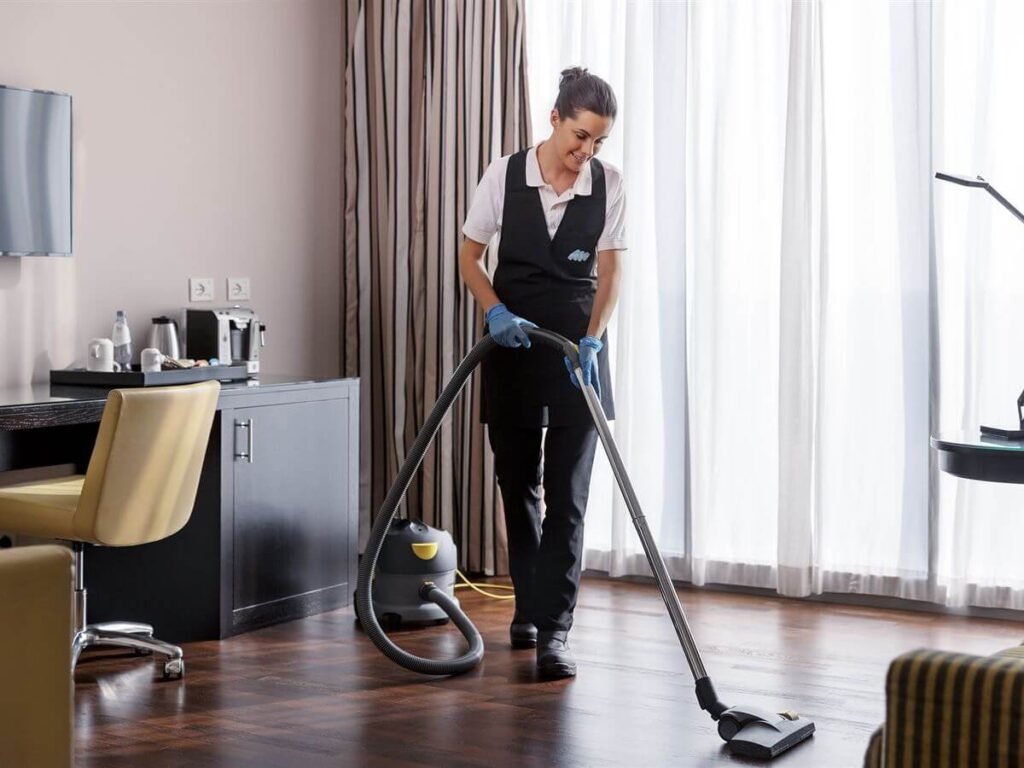
This is why messaging must connect with housekeeping cleaning services and maintenance services. The best guest experience happens when the words and the operations match.
Expert Recommendations for Airbnb Hosts in 2026
Build a Message Map
A message map is a simple plan for what guests receive at each stage of the journey.
At a minimum, every host should define messages for:
- Inquiry or pre-booking question
- Booking confirmation
- Pre-arrival preparation
- Check-in instructions
- First-night follow-up
- Mid-stay support
- Checkout reminder
- Review request
- Issue resolution
- Damage or claim documentation
This prevents random communication and keeps the experience consistent.
Create Property-Specific Knowledge
AI and templates only work well when the information is accurate.
Each property should have a clear internal knowledge file that includes:
- Exact address instructions
- Parking rules
- Wi-Fi details
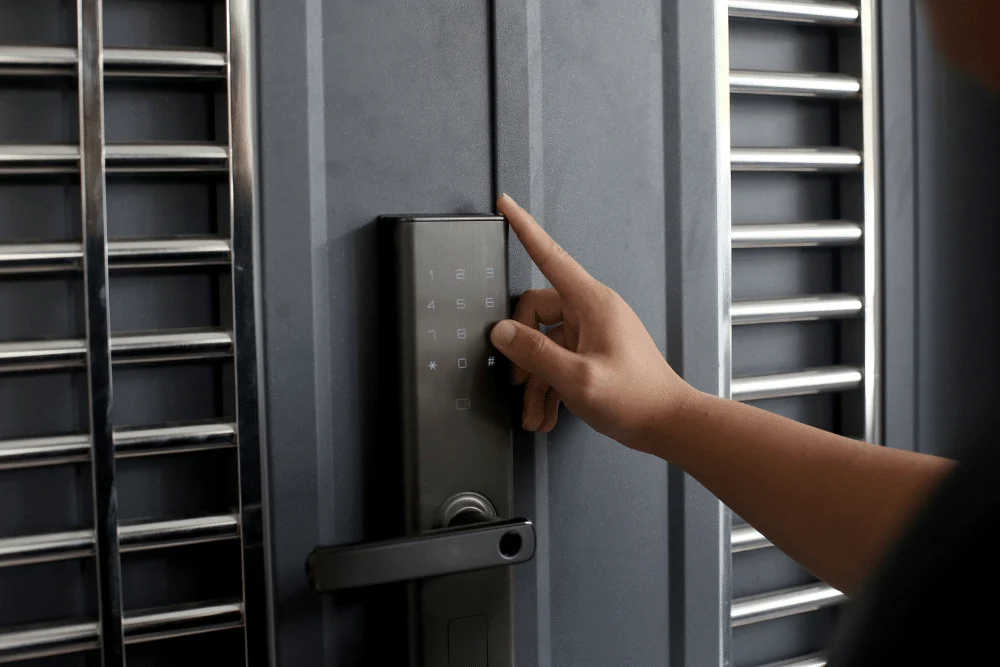
- Smart lock process
- Trash schedule
- Appliance instructions
- Pet rules
- Emergency contacts
- Local recommendations
- Platform-specific policies
- Cleaning and maintenance notes
When the property knowledge is updated, the guest communication improves immediately.
Use a Human Review Layer for Sensitive Issues
Not every message should be automated.
Human review should be used for:
- Refund requests
- Complaints
- Safety concerns
- Neighbor complaints
- Damage discussions
- Unauthorized guests
- Platform escalations
- Angry or emotional messages
- Maintenance emergencies
This is where professional co-hosting makes a real difference. A calm response can protect a review, prevent a dispute, and reduce stress for the property owner.
Keep the Tone Warm but Precise
Guests appreciate friendly communication, but they also need clear instructions.
A good message sounds human, but it does not wander.
Instead of writing:
“Hey! So basically, whenever you get there, you can maybe try the side entrance, and if that does not work, just let us know.”
Write:
“Welcome again. Please use the side entrance on the left of the building. The lockbox is beside the black gate. Your code is active from 4:00 PM. If anything looks different when you arrive, message us here and we will help right away.”
Clear beats clever.
Communication Checklist for 2026 Hosts
Use this checklist to review whether your rental communication is ready for modern guest expectations:
- Do guests receive a fast first reply?
- Are check-in instructions clear enough for a tired guest arriving at night?
- Are your messages consistent across Airbnb, Booking.com, Vrbo, and direct bookings?
- Do you have visual instructions for entrances, parking, and lockboxes?
- Are payment and dispute conversations kept secure?
- Do you track repeated guest questions?
- Are cleaning and maintenance teams connected to guest updates?
- Do you have a plan for late-night emergencies?
- Does a human review sensitive issues?
- Does every message match your property’s brand and service level?
- Do you follow up before checkout?
- Do you document damage concerns professionally?
If several answers are “no,” the property may not need more bookings first. It may need a better communication system.
The Question Many Owners Ask: Can I Still Be Hands-Off?
Yes, but only if the system is strong enough.
Passive income from short-term rentals does not mean nothing happens. It means the owner is not personally handling every task.
Guests still need replies. Cleaners still need scheduling. Maintenance still needs coordination. Platforms still need updates. Reviews still need attention. Claims still need documentation.
The real goal is “no management.” The goal is owner-level control without owner-level workload.
That is where virtual co-hosting and professional communication support fit well. The owner retains visibility and decision-making power, while the daily inbox, guest support, platform coordination, and issue handling are managed by trained support staff.
A Trust-Building Note for Property Owners
No communication system should promise that every guest will be perfect or every review will be five stars. Short-term rentals involve real people, changing travel plans, weather delays, technology issues, and occasional property problems.
A strong communication process can reduce preventable stress.
It can make guests feel guided. It can help owners stay informed. It can create documentation when needed. It can protect the property’s tone and reputation. It can give every stay a better chance of ending well.
That is a realistic promise, and it is the one that matters.
Final Thought
Booking platform communication trends in 2026 point in one direction: hosts who respond faster, communicate more clearly, use automation wisely, and connect messaging with operations will have a stronger advantage.
Guests want confidence before they book and support after they arrive. Platforms want reliable hosts who keep travelers informed. Owners want income without being tied to the inbox all day.
The best communication strategy is neither the loudest nor the most automated. It is the one that feels calm, accurate, secure, and human from the first question to the final review.
That is the kind of calm, consistent hosting support property owners should expect from StayBnB.